How My Hobby Became the Best Workout I Never Knew I Needed
You don’t need a gym membership or fancy equipment to feel stronger, sharper, and more alive. I didn’t either—until I realized my weekend hobby was secretly transforming my health. Turns out, moving your body doesn’t have to feel like a chore. When passion meets motion, exercise happens naturally. This is how something I genuinely enjoy improved my stamina, mood, and focus—without counting reps or chasing calories. What began as a simple way to pass the time slowly revealed itself as a powerful form of self-care, one that built strength, endurance, and emotional resilience without ever feeling like work. The truth is, fitness doesn’t always look like running on a treadmill or lifting weights. Sometimes, it looks like dancing in the kitchen, walking through the woods, or building something with your hands. And when movement becomes part of what you love, it stops being something you have to do and starts being something you want to do.
The Hidden Power of Movement Through Hobbies
Many people believe that to be truly active, they must engage in structured workouts—sessions timed, measured, and often endured rather than enjoyed. Yet science increasingly shows that physical activity doesn’t need to fit a rigid mold to be effective. In fact, one of the most sustainable forms of exercise comes not from the gym, but from the things we love to do. Everyday hobbies that involve movement—gardening, painting a fence, playing with grandchildren, or even vacuuming with purpose—can contribute significantly to overall health. These activities fall under a category known as non-exercise activity thermogenesis, or NEAT, which refers to the calories burned through all physical activity outside of formal exercise. While each moment may seem small, their cumulative effect is powerful. Studies suggest that individuals with high NEAT levels tend to have lower body fat, better metabolic health, and greater cardiovascular resilience.
What makes hobby-based movement so effective is the role of enjoyment. When an activity feels like play rather than work, people are far more likely to do it consistently. This consistency is the cornerstone of long-term health. Unlike traditional workouts that often rely on discipline and willpower—resources that can quickly deplete—hobbies are fueled by intrinsic motivation. There’s no need to push through boredom or discomfort because the reward is built into the experience itself. Whether it’s the satisfaction of planting a garden or the rhythm of kneading dough, these activities engage both body and mind in a way that feels natural and fulfilling.
Moreover, many hobbies inherently involve a range of physical benefits. Dancing, for instance, improves balance, coordination, and cardiovascular endurance. Woodworking requires upper body strength, fine motor control, and prolonged standing, which supports core stability and joint mobility. Even seemingly low-intensity activities like knitting or playing the piano activate small muscle groups and promote blood circulation through repetitive, rhythmic motions. These movements may not raise the heart rate as dramatically as a spin class, but they contribute to daily energy expenditure and help maintain functional fitness—the kind that keeps you strong and independent as you age.
The beauty of hobby-based movement lies in its accessibility. It doesn’t require special gear, a strict schedule, or a certain fitness level. It meets people where they are. A retired teacher might find joy in birdwatching walks, gradually increasing her distance without ever setting a step goal. A parent might discover that baking bread becomes a full-body ritual, involving standing, stirring, lifting, and stretching. When movement is tied to meaning, it becomes effortless. And when it becomes effortless, it becomes sustainable. This shift—from effort to ease—is where real transformation begins.
From Burnout to Energy: My Personal Shift
For years, I struggled with chronic fatigue. I would wake up already feeling drained, relying on coffee to get through the morning and naps to survive the afternoon. My attempts at fitness were short-lived. I’d sign up for a gym, go three times with determination, then fade out by the second week. The workouts felt like punishment—something I thought I should do, not something I wanted to do. I’d leave feeling more exhausted than when I started, both physically and emotionally. Over time, I began to associate exercise with guilt, another item on a never-ending to-do list that I was failing to complete.
Everything changed when I started restoring an old wooden chair I’d found at a flea market. It wasn’t meant to be a fitness plan—just a way to pass the time on a rainy weekend. But as I sanded, stained, and reassembled the piece, I noticed something unexpected: I felt more alert. My hands were tired, yes, but in a satisfying way, like after a good stretch. I slept better that night. Over the next few weeks, I took on more projects—small furniture repairs, building a planter box, even helping a friend install shelves. Each task required standing, bending, lifting, and precise hand movements. I wasn’t thinking about calories burned or muscles worked—I was focused on the result. Yet, over time, I began to feel stronger. I could carry groceries without needing a break. I walked up the stairs without catching my breath. My energy levels, once a constant source of frustration, began to stabilize.
The shift wasn’t just physical. My mood improved. I felt a sense of accomplishment that had been missing for years. Instead of dreading movement, I looked forward to it. The turning point came when I realized I no longer needed to convince myself to be active. I didn’t have to schedule workouts or track progress. I simply wanted to keep working with my hands. That desire, born from enjoyment rather than obligation, made all the difference. My sleep deepened, my focus sharpened, and the brain fog that had lingered for months began to lift. What started as a hobby became a form of self-renewal, a quiet rebellion against the idea that health had to be hard.
This personal journey taught me that wellness isn’t always about intensity or sacrifice. Sometimes, it’s about rediscovering what brings you joy and allowing that joy to move you—literally. The body thrives on movement, but the mind thrives on meaning. When the two align, transformation follows not from force, but from flow.
Why Enjoyment Beats Discipline in Fitness
Most fitness programs are built on the assumption that willpower is enough. Get up early. Push through the pain. Stick to the plan. But research consistently shows that discipline is a limited resource. The more we rely on it, the more likely we are to burn out. A study published in the Journal of Behavioral Medicine found that people who viewed exercise as a chore were significantly more likely to drop out within the first few months. On the other hand, those who found ways to enjoy physical activity—through music, social connection, or playful challenges—were far more likely to stick with it long-term.
The reason lies in the brain’s reward system. When we engage in activities we find pleasurable, the brain releases dopamine, a neurotransmitter associated with motivation and satisfaction. This natural feedback loop reinforces the behavior, making us more likely to repeat it. In contrast, when exercise feels like a punishment, the brain associates it with stress, triggering avoidance rather than engagement. This is why so many people start the year with grand fitness goals, only to abandon them by February. The model is flawed—not because people lack commitment, but because the approach ignores human psychology.
Hobby-based movement bypasses this problem entirely. When you’re dancing in your living room, hiking to see a waterfall, or playing a casual game of tennis with friends, you’re not thinking about burning calories. You’re immersed in the experience. Time seems to disappear. This state, known as flow, is one of the most powerful drivers of habit formation. It doesn’t rely on discipline; it thrives on engagement. And because flow is inherently rewarding, it creates a self-sustaining cycle: the more you enjoy it, the more you do it, and the better you feel.
Compare this to a rigid workout schedule. Even if it’s effective in the short term, it often fails to account for life’s unpredictability. Schedules change. Energy fluctuates. Motivation wanes. But hobbies are flexible. You can spend ten minutes gardening or two hours building a birdhouse, depending on how you feel. There’s no failure, no missed reps, no guilt. This flexibility reduces pressure and increases the likelihood of long-term adherence. In fact, a 2020 review in Psychology of Sport and Exercise concluded that individuals who engaged in self-chosen physical activities maintained higher activity levels over time than those following prescribed exercise regimens.
Hobbies That Naturally Build Strength and Stamina
Not all hobbies are created equal when it comes to physical benefits, but many common pastimes offer more than meets the eye. Cycling, for example, is a full-body workout disguised as recreation. It strengthens the quadriceps, hamstrings, and glutes while improving cardiovascular endurance. Regular riders often notice increased leg strength and better stamina in daily tasks, such as climbing hills or walking long distances. Because the motion is smooth and low-impact, it’s accessible to people of various fitness levels, making it a sustainable option for long-term health.
Swimming is another powerful hobby that delivers comprehensive fitness benefits. It engages nearly every major muscle group—the arms, shoulders, core, back, and legs—while being gentle on the joints. The resistance of water provides natural strength training, and the rhythmic breathing supports lung capacity and cardiovascular health. Many swimmers report improved posture and reduced back pain over time, as the water supports the spine while encouraging core engagement. Unlike high-impact sports, swimming carries a low risk of injury, making it ideal for people seeking a lifelong activity.
Woodworking and carpentry, often seen as purely craft-based, are surprisingly physical. These activities require standing for extended periods, lifting materials, using hand tools that build grip strength, and maintaining balance while making precise cuts. Over time, this builds functional strength—particularly in the upper body and core—and enhances fine motor skills. The mental focus required also contributes to cognitive health, making it a dual-purpose hobby for body and mind.
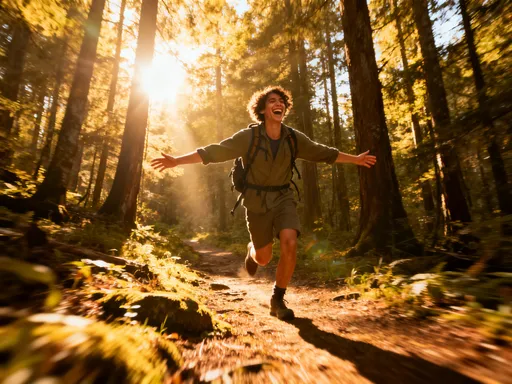
Trail running and hiking offer a different kind of benefit. Beyond building leg strength and endurance, these activities improve balance and coordination as the body navigates uneven terrain. The constant micro-adjustments with each step strengthen stabilizing muscles in the ankles and feet, reducing the risk of falls. Being in nature adds an extra layer of benefit—studies show that outdoor physical activity is linked to lower stress levels and improved mood. The combination of movement and natural scenery creates a powerful antidote to the mental fatigue of modern life.
The Mental Health Boost You Didn’t See Coming
One of the most unexpected benefits of active hobbies is their impact on mental well-being. While the physical advantages are often visible—stronger muscles, better endurance—the emotional rewards are just as profound, though less obvious. Engaging in a hands-on activity creates a form of moving meditation. The mind focuses on the task at hand—mixing paint, following a knitting pattern, tuning a guitar—and in that focus, worries begin to quiet. This state of mindful engagement reduces the production of cortisol, the body’s primary stress hormone, leading to a calmer nervous system and improved emotional regulation.
Rhythmic activities, in particular, have a unique effect on the brain. Drumming, walking, knitting, and even washing dishes by hand involve repetitive motions that can induce a meditative state. Research from the Journal of the American Art Therapy Association found that just 45 minutes of creative activity significantly reduced stress levels in adults, regardless of artistic skill. The act of creating, especially when paired with movement, provides a natural outlet for emotions, helping to process anxiety and mild depression without the need for words.
Moreover, completing a project—whether it’s a quilt, a garden bed, or a repaired lamp—triggers a sense of accomplishment. This feeling reinforces self-efficacy, the belief that you are capable of making positive changes in your life. Over time, this builds resilience, making it easier to cope with daily stressors. Unlike fitness metrics, which can foster comparison and self-criticism, hobby accomplishments are personal and meaningful. They remind you of your strengths, creativity, and ability to bring ideas to life.
The combination of physical movement and creative focus creates what psychologists call a flow state—a condition in which time seems to disappear, and you are fully immersed in what you’re doing. Flow is strongly associated with increased happiness and life satisfaction. It doesn’t require intensity or speed; it arises from engagement. And because it feels good, it naturally encourages repetition, forming a healthy cycle of movement and well-being.
Making It Work: Choosing the Right Active Hobby
Finding the right hobby starts with curiosity, not commitment. It’s not about choosing the most intense or trendy activity, but the one that sparks genuine interest. Think back to childhood—what did you love to do? Were you always drawing, building forts, riding your bike for hours, or helping in the kitchen? These early passions often point to activities that still bring you joy, even if you haven’t done them in years. The goal is not performance, but pleasure. You’re not trying to become an expert; you’re trying to feel better.
Start small. You don’t need to build a shed on day one. Try a single gardening session, a short walk with a camera, or a beginner’s dance video at home. Experiment freely. If one activity doesn’t feel right, try another. The key is to remove pressure. Avoid setting goals like “lose 10 pounds” or “post on social media.” These turn hobbies into obligations and can kill the joy. Instead, focus on how the activity makes you feel—energized, calm, focused, or creative.
Consider your lifestyle and physical needs. If you have joint pain, low-impact activities like swimming or tai chi may be ideal. If you spend most of your day sitting, look for hobbies that get you moving upright—dancing, gardening, or photography walks. If you crave mental stimulation, combine creativity with motion—pottery, sewing, or playing a musical instrument. The best hobby is one that fits seamlessly into your life, not one that requires a complete overhaul.
Finally, give yourself permission to enjoy it without guilt. In a culture that values productivity above all, taking time for play can feel indulgent. But rest and joy are not luxuries—they are necessities for long-term health. When you choose an activity because it brings you happiness, you’re not wasting time. You’re investing in your well-being in the most sustainable way possible.
Building a Life Where Movement Feels Natural
Lasting wellness doesn’t come from forcing yourself to do something you hate. It comes from designing a life where movement is woven into the things you already love. The goal isn’t to add more to your schedule, but to transform what’s already there. When you redefine fitness not as a chore, but as a form of expression, exploration, and connection, it becomes something you seek out, not avoid. This shift in mindset is powerful. It moves health from the realm of duty to the realm of desire.
The best workout might not be a workout at all. It might be the time you spend planting flowers, dancing with your kids, walking your dog through the park, or learning to play the guitar. These moments, when added up, create a life of motion—one that builds strength, stamina, and resilience without ever feeling like exercise. They remind us that our bodies are not machines to be pushed, but allies to be engaged with joy.
By choosing hobbies that move us—literally and emotionally—we create a sustainable path to health. We stop counting steps and start savoring them. We stop chasing results and start enjoying the process. And in that enjoyment, we find not just better physical health, but a deeper sense of fulfillment. The journey to wellness doesn’t have to be hard. Sometimes, it just means doing more of what you already love—while letting your body come along for the ride.