How I Healed Without Medication — My Home Environment Changed Everything
After my injury, doctors said recovery would take months. But I noticed something surprising — my healing sped up when I changed my daily surroundings. It wasn’t about expensive treatments or strict routines. Simple shifts in light, air, and room layout made a real difference. This isn’t a miracle cure — just real-life adjustments that helped me feel stronger, faster. If you're in recovery, your environment might be holding you back — or helping you heal.
The Hidden Factor in Recovery: Why Your Environment Matters
At first, I assumed healing was only about rest, medication, and following physical therapy. But during the early weeks, I felt stuck — fatigued, irritable, and slow to improve. My bedroom was quiet on paper, but the overhead lighting buzzed faintly, the air felt stuffy, and clothes, books, and unopened mail cluttered every surface. I didn’t realize how much these everyday details were affecting my body’s ability to recover. Research shows that chronic stress, poor sleep, and elevated cortisol levels can delay tissue repair and weaken immune function. What I later learned was that my environment was unknowingly contributing to all three.
Studies from environmental health experts reveal that physical surroundings influence recovery more than many assume. Hospitals, for example, are increasingly adopting healing-centered design principles — not just for comfort, but for measurable health outcomes. Features like access to natural light, noise reduction, and calming colors are linked to shorter hospital stays and reduced pain medication use. This isn’t placebo. The body responds biologically to its surroundings. When stress is lowered and rest is deepened, healing accelerates. What mattered wasn’t luxury — it was consistency in signals that told my nervous system: it’s safe to heal.
For me, the turning point came when I compared how I felt after short walks outside versus full days indoors. Outside, even on cloudy days, my mood lifted and my breathing deepened. Indoors, I felt drained by mid-afternoon. That contrast made it clear: my home wasn’t supporting recovery — it was working against it. The realization wasn’t discouraging; it was empowering. If my environment was part of the problem, then changing it could become part of the solution. And unlike surgery or medication, I had full control over my space. I began with air — the most basic, yet most overlooked, element of healing.
Air Quality and Breathing: The First Upgrade I Made
I first noticed something was off with my breathing when I’d wake up with a dry throat and a sense of tightness in my chest — even though I wasn’t coughing or wheezing. My injury didn’t involve my lungs, so I assumed it was anxiety. But when I started tracking how I felt at different times of day, I realized the discomfort peaked in the evenings, after windows had been closed for hours. The air in my home was stale, low in oxygen, and high in carbon dioxide. I wasn’t getting enough fresh air — a simple truth with profound consequences.
Proper oxygenation is essential for tissue repair. Every cell in the body relies on oxygen to produce energy and rebuild damaged structures. When indoor air is stagnant, oxygen levels drop, and pollutants like dust, mold spores, and volatile organic compounds (VOCs) from cleaning products or furniture can accumulate. These irritants trigger low-grade inflammation, which competes with the body’s healing processes. I began researching indoor air quality and was surprised to learn that, on average, indoor air can be two to five times more polluted than outdoor air. This wasn’t about allergies — it was about creating the right internal conditions for recovery.
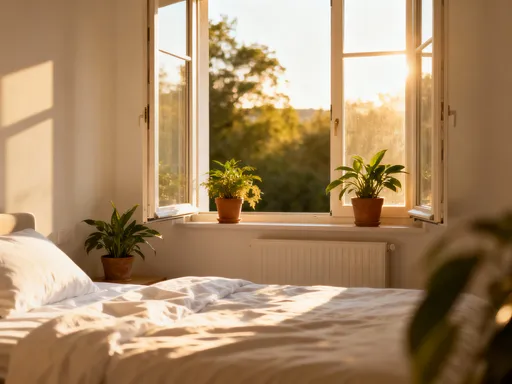
My first change was simple: I opened the windows every morning for at least 15 minutes, even in winter. This daily ventilation flushed out stale air and brought in fresh oxygen. I also added a few houseplants known for air purification — spider plants, peace lilies, and snake plants — not as a cure-all, but as a gentle, natural support. I stopped using synthetic air fresheners and switched to essential oil diffusers with lavender or eucalyptus, used sparingly. Within a week, my morning chest tightness disappeared. My breathing felt deeper, and I noticed I could take fuller breaths during rehab exercises. Oxygen wasn’t just reaching my lungs — it was fueling my recovery in ways I hadn’t expected.
Light Shapes Healing: From Harsh LEDs to Natural Rhythms
Light seemed like the least important factor — until I realized how much it was shaping my days. My home was lit almost entirely by cool-white LED bulbs, the kind that mimic daylight but lack its full spectrum. At night, I’d sit under the same harsh light, scrolling on my phone or watching TV. I blamed my insomnia on stress, but the real culprit was light exposure. My body wasn’t getting the cues it needed to regulate sleep and wake cycles. Without those signals, melatonin production lagged, and my circadian rhythm fell out of sync.
The circadian rhythm is your body’s internal clock, governing everything from hormone release to cell regeneration. During recovery, this rhythm becomes even more critical. Growth hormone, which supports tissue repair, is primarily released during deep sleep — but only if the body recognizes it’s nighttime. Blue-rich light, especially from LEDs and screens, suppresses melatonin and tricks the brain into thinking it’s still daytime. I was unknowingly sabotaging my own healing every evening by staying under bright, artificial light.
I made two key changes. First, I replaced my cool-white bulbs with warm-white ones (2700K color temperature) in the bedroom and living areas. These emit less blue light and create a softer, more calming atmosphere. Second, I committed to getting natural light within 30 minutes of waking. Even on overcast days, I’d sit by a window or step outside for five to ten minutes. This morning light exposure helped reset my internal clock, improving alertness during the day and sleep quality at night. Over time, I fell asleep faster, woke up less during the night, and felt more refreshed in the morning. Healing wasn’t happening just when I exercised — it was happening while I slept, supported by light that honored my body’s natural rhythms.
Clutter vs. Calm: Clearing Space to Clear the Mind
My home wasn’t messy by extreme standards, but it wasn’t peaceful either. Papers piled on the dining table, laundry overflowed from the basket, and rehab tools were scattered across the floor. I told myself it was fine — I was injured, after all. But I began to notice a pattern: on cluttered days, my mind felt cluttered too. I struggled to focus on exercises, forgot my water intake, and felt more frustrated by small setbacks. It wasn’t laziness — it was cognitive overload. Clutter competes for attention, even when we’re not actively looking at it. The brain constantly processes visual noise, increasing mental fatigue and reducing working memory.
Psychological studies confirm that disorganized environments elevate cortisol and reduce feelings of control. For someone in recovery, that’s dangerous. Healing requires patience, consistency, and a sense of agency. When your surroundings feel chaotic, it’s harder to believe progress is possible. I realized I didn’t need a perfect home — I needed a space that supported clarity and calm. I started small: each morning, I spent 10 minutes resetting one area. I’d clear the coffee table, fold a blanket, or put away a few dishes. These weren’t deep cleans — just enough to create visual peace.
The effect was immediate. With less visual noise, my mind felt quieter. I could focus on my breathing, notice subtle improvements in my mobility, and approach rehab with more patience. I also began organizing my recovery tools — resistance bands, foam rollers, water bottles — in one dedicated basket. Having everything in place made it easier to start exercises without resistance. Order didn’t cure my injury, but it removed mental barriers that were slowing me down. A tidy space didn’t just look better — it felt like a promise: I am taking care of myself, one small step at a time.
Sound and Silence: Tuning Into a Healing Soundscape
Sound was something I’d never considered until I started paying attention. My home was never silent — there was the hum of the refrigerator, the distant traffic, the occasional phone notification. I thought of it as background noise, harmless and normal. But during recovery, my nervous system was more sensitive. These constant low-level sounds kept me in a state of low-grade alertness, preventing true rest. I wasn’t just tired — I was wired and tired, a state that hinders healing.
The nervous system has two main modes: sympathetic (fight-or-flight) and parasympathetic (rest-and-digest). Healing happens in the parasympathetic state. But constant noise — even at low volumes — can keep the body in sympathetic mode, raising heart rate and stress hormones. I began experimenting with sound. I turned off unnecessary electronics, unplugged the buzzing alarm clock, and used noise-blocking curtains to reduce street noise. I also introduced intentional sounds: soft nature recordings, gentle piano music, or white noise apps that played rain or ocean waves. These weren’t distractions — they were buffers against chaos.
I also practiced mindful listening. For five minutes each day, I’d sit quietly and focus only on the sounds around me — the rustle of leaves, the chirp of birds, the rhythm of my breath. This practice grounded me in the present and signaled safety to my nervous system. Over time, I became more aware of how sound shaped my mood. Silence wasn’t empty — it was restorative. I started scheduling quiet hours in the evening, turning off screens and letting my mind unwind. The absence of noise became as important as the presence of peace. My body began to relax more deeply, and with that relaxation came better sleep, reduced pain perception, and a greater sense of emotional balance.
Room Layout and Movement: Designing for Small Wins
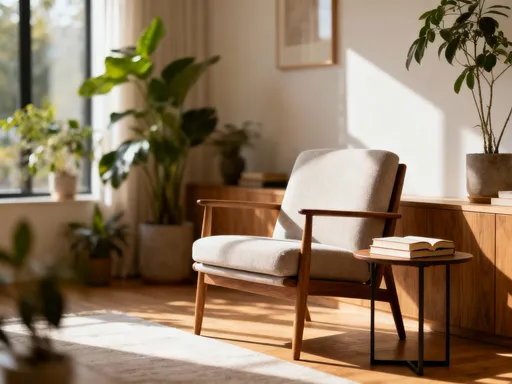
One of the most unexpected changes came from rearranging my living space. At first, I set up my rehab area in a corner of the living room, far from natural light and surrounded by furniture I had to navigate around. Every time I did exercises, it felt like a chore — something I had to drag myself to do. Then I moved my mat near the window, cleared a wider path, and placed a small table nearby with water, a towel, and my therapy band. Suddenly, the space invited movement instead of resisting it.
Environmental psychology shows that spatial design influences behavior. When something is easy to access and pleasant to engage with, we’re more likely to do it consistently. I applied this principle by designing my recovery space to minimize effort and maximize encouragement. I positioned chairs so I could move between sitting and standing with minimal strain. I used mirrors not for appearance, but to help me check my form during exercises. I even added a small plant and a framed photo of a forest trail — visual cues that reminded me of progress and possibility.
The change wasn’t dramatic, but it was powerful. Because the space felt welcoming, I used it more often. I started doing short stretches in the morning, not because I had to, but because it felt good. I didn’t need motivation — the environment provided it. Small design tweaks turned rehab from a burden into a ritual. And consistency, not intensity, became the driver of my recovery. I wasn’t doing more — I was doing a little, every day, because my space made it easy to begin.
Putting It All Together: A Sustainable, Simple Recovery Space
By the third month, my recovery space had evolved into a quiet sanctuary of healing. It wasn’t expensive or elaborate. I used what I had — warm lighting, open windows, a decluttered surface, soft sounds, and a layout that supported gentle movement. I didn’t need a full renovation. I needed intention. The most important lesson I learned was that healing isn’t a single action — it’s an environment built over time, one small choice at a time.
I kept my changes simple and sustainable. I didn’t aim for perfection. Some days, I forgot to open the windows. Some evenings, I left the lights on too late. But consistency, not flawlessness, mattered. Over time, the positive signals — fresh air, natural light, calm sounds, clear space — became the default. My body responded by healing faster than expected. Doctors noted my progress with surprise, but I knew the secret: my home had become a partner in recovery.
Today, I still maintain these practices, not because I’m injured, but because they support well-being. The space that helped me heal now helps me live — with more energy, focus, and peace. I share this not as a medical prescription, but as a lived experience. If you’re recovering from injury, illness, or simply feeling stuck, consider your surroundings. They are not neutral. They are either draining your energy or renewing it. You don’t need a miracle — you need a space that supports your body’s natural ability to heal. Start small. Open a window. Turn off a harsh light. Clear one surface. Let your environment become your ally. Healing isn’t just in your body — it’s in your space.