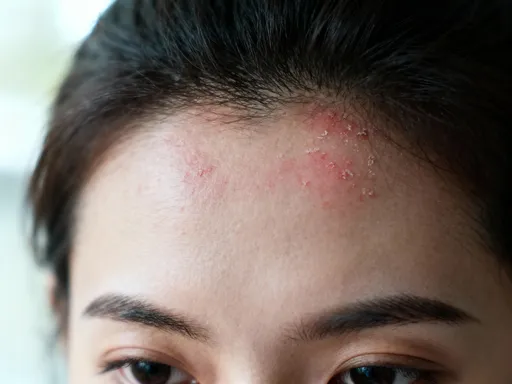
Hair SOS: What I Learned When My Scalp Started Talking
Hair isn’t just about looks—it’s a health barometer. Subtle changes like dryness, breakage, or slow growth can signal hormonal shifts, nutrient deficiencies, or stress overload. I used to treat these as surface-level problems, masking them with serums and conditioners. But when my hair started thinning in patches, I dug deeper. Turns out, my body was sending warnings I’d ignored. This article unpacks how scalp and hair changes can reveal early health issues—and what you can do *before* they escalate.
The Silent Language of Hair: What Your Strands Are Trying to Tell You
Hair is more than a style statement—it functions as a living record of your body’s internal environment. Unlike organs hidden beneath the skin, hair is visible, tangible, and continuously growing, making it a unique bioindicator of overall health. Every strand is composed of keratin, a protein built from amino acids derived from the foods you eat and the metabolic processes within your body. Because hair grows slowly—about half an inch per month—it can reflect physiological changes that occurred weeks or even months prior. This slow growth rate allows it to act like a biological timeline, preserving evidence of nutritional intake, hormonal fluctuations, and exposure to stress.
Visible changes in hair are often the first signs of deeper imbalances. Excessive shedding, for example, may not simply result from seasonal changes but could indicate a recent illness, surgery, or emotional trauma that disrupted the hair growth cycle. Brittle or dry strands can point to dehydration, thyroid dysfunction, or insufficient protein intake. A sudden change in texture—such as straight hair becoming wavy or curly—may be linked to shifts in hormone levels, particularly during perimenopause or after childbirth. Even color changes, like premature graying, can have roots in oxidative stress and genetic predisposition, though they are not always a sign of disease.
The scalp, too, plays a critical role in this signaling system. Since it contains thousands of sebaceous glands and blood vessels, it responds quickly to inflammation, infection, or hormonal shifts. Persistent itching, redness, or flaking are not merely cosmetic nuisances—they may be early manifestations of systemic conditions such as autoimmune disorders or chronic inflammation. Because the scalp is richly supplied with nerves and circulation, it offers a direct window into the body’s inflammatory status and immune activity.
Think of hair as a recording device, silently logging the impact of your lifestyle, diet, and emotional well-being. Just as a black box captures flight data, your hair retains clues about what your body has endured. A patch of thinning, a wave of shedding, or a new sensitivity to products may seem minor, but when viewed collectively, these signs form a pattern that deserves attention. Ignoring them is like dismissing a smoke alarm because there’s no visible fire—yet.
Beyond Dandruff: When Scalp Symptoms Hint at Bigger Problems
Dandruff is common, affecting nearly half the population at some point. It’s often dismissed as a minor annoyance, easily managed with over-the-counter shampoos. But when flaking persists despite treatment, or is accompanied by redness, swelling, or discomfort, it may signal something more significant than simple dry skin. The scalp is a complex ecosystem, home to natural oils, beneficial microbes, and a delicate pH balance. When this balance is disrupted, it can lead to conditions that go beyond cosmetic concern and into the realm of medical significance.
Seborrheic dermatitis is one such condition, characterized by greasy, yellowish scales on the scalp, often along the hairline, behind the ears, or on the eyebrows. While its exact cause is not fully understood, it is associated with an overgrowth of a yeast called Malassezia, which naturally lives on the skin but can become problematic under certain conditions. This condition is also linked to increased sebum production, stress, and immune system responses. More importantly, persistent seborrheic dermatitis has been observed in individuals with neurological disorders such as Parkinson’s disease and in those with compromised immune function, suggesting it may be a marker of broader physiological imbalance.
Another condition to recognize is psoriasis, an autoimmune disorder that causes rapid skin cell turnover. On the scalp, it appears as thick, silvery scales and red, inflamed patches. Unlike dandruff, psoriasis plaques tend to extend beyond the hairline and may crack or bleed. While psoriasis primarily affects the skin, it is also associated with an increased risk of cardiovascular disease, metabolic syndrome, and joint inflammation (psoriatic arthritis). Early identification of scalp psoriasis can therefore lead not only to better skin management but also to earlier detection of related systemic conditions.
Scalp sensitivity and tenderness, often overlooked, can also be telling. Women in midlife may notice increased pain when brushing or styling their hair. This could be related to hormonal changes affecting skin thickness and nerve sensitivity. However, localized tenderness or swelling might also indicate folliculitis—an infection of the hair follicles—or, in rare cases, cutaneous lupus, an autoimmune condition that can leave permanent scarring if not treated promptly. The key is consistency: if symptoms last more than a few weeks or worsen over time, they warrant professional evaluation.
Monitoring scalp health should be part of routine self-care. Just as you might check your skin for moles or your blood pressure at home, paying attention to the condition of your scalp can provide early warnings. Using a mirror to examine hard-to-see areas, noting any changes in texture or sensation, and tracking symptoms over time can help distinguish between transient irritation and a more serious underlying issue. The goal is not to alarm but to empower—understanding that your scalp is speaking, and learning how to listen.
Hair Loss Isn’t Just Aging: Recognizing Early Warning Patterns
One of the most pervasive myths in women’s health is that thinning hair is an inevitable part of aging. While some degree of hair thinning can occur with time, significant loss or sudden changes are not normal and should not be accepted as such. The belief that nothing can be done often leads women to suffer in silence, covering up with hats, extensions, or hairstyles that mask the problem. But early intervention can make a meaningful difference, especially when the root cause is identified and addressed promptly.
Understanding the types of hair loss is crucial. Androgenetic alopecia, also known as female pattern hair loss, is genetic and typically presents as gradual thinning at the crown or a widening part. It is influenced by hormones, particularly dihydrotestosterone (DHT), which shrinks hair follicles over time. This type of loss is progressive and may accelerate during menopause when estrogen levels decline. In contrast, telogen effluvium is a temporary condition triggered by physical or emotional stress, rapid weight loss, illness, or hormonal shifts such as those after pregnancy. In this case, a large number of hair follicles enter the resting phase simultaneously, leading to noticeable shedding two to three months later.
The timing and pattern of hair fall can offer important clues. If you notice more hair on your brush, pillow, or in the shower drain than usual, it’s worth paying attention. A sudden increase in shedding lasting more than six weeks may indicate telogen effluvium. On the other hand, a slow, progressive reduction in volume, especially at the top of the head, may point to androgenetic alopecia. Some women experience both conditions at once—a stressful event triggering temporary shedding on top of underlying genetic thinning—making diagnosis more complex.
Tracking hair loss can be challenging, but simple methods help. Taking monthly photos under consistent lighting, measuring the width of your part, or using a hair count test (collecting and counting shed hairs over a few days) can provide objective data. These tools help differentiate between normal shedding—typically 50 to 100 hairs per day—and excessive loss. They also create a record that can be shared with healthcare providers, supporting more accurate assessment.
It’s also important to consider when hair loss begins. Women in their 30s and 40s may notice changes related to perimenopause, thyroid issues, or the cumulative effect of chronic stress. Postpartum hair loss is common and usually resolves within a few months, but if it persists beyond a year, it may indicate an underlying deficiency or hormonal imbalance. Recognizing these patterns allows for earlier action, whether through lifestyle changes, medical evaluation, or targeted treatments.
The Nutrition Connection: How What You Eat Shows Up in Your Hair
Nutrition plays a foundational role in hair health. Since hair is made of protein, a steady supply of amino acids is essential for growth and strength. But protein is only one piece of the puzzle. Iron, zinc, vitamin D, biotin, and essential fatty acids all contribute to the integrity of the hair shaft and the function of the follicle. Deficiencies in these nutrients, even mild ones, can disrupt the hair growth cycle and lead to visible changes.
Iron deficiency is one of the most common nutritional causes of hair loss in women, particularly those with heavy menstrual cycles. Iron is necessary for the production of hemoglobin, which carries oxygen to tissues, including hair follicles. When iron stores (measured as ferritin) fall below optimal levels—typically below 50 ng/mL—hair may begin to thin. While severe deficiency leads to anemia, subclinical deficiency can still impair hair growth without causing obvious fatigue or other symptoms. This makes it easy to overlook, yet correcting it can lead to noticeable improvement in hair density.
Zinc is another critical mineral involved in DNA and protein synthesis, both of which are vital for hair follicle regeneration. Low zinc levels have been linked to telogen effluvium and alopecia areata, an autoimmune condition that causes patchy hair loss. However, supplementation should not be undertaken without medical guidance, as excessive zinc can interfere with copper absorption and lead to other imbalances.
Vitamin D, often called the “sunshine vitamin,” is increasingly recognized for its role in hair cycling. Receptors for vitamin D are present in hair follicles, and research suggests it helps regulate the growth phase. Low levels have been associated with both alopecia areata and female pattern hair loss. Given that many women, especially those with limited sun exposure or darker skin tones, are at risk for deficiency, maintaining adequate levels through diet or sensible sun exposure is important.
Biotin, a B-complex vitamin, is frequently marketed as a hair growth supplement. While severe biotin deficiency can cause hair loss, it is extremely rare in people with a balanced diet. Most individuals get enough biotin from foods like eggs, nuts, and whole grains. High-dose supplements may lead to falsely abnormal lab results, particularly in cardiac biomarker tests, so they should be used cautiously and only under medical supervision.
Dietary patterns matter too. Restrictive diets, especially those low in protein or essential fats, can impair hair health. Women following vegan or vegetarian diets need to be mindful of iron and vitamin B12 intake, which are more readily available in animal products. Rapid weight loss, whether intentional or due to illness, can trigger telogen effluvium by depriving the body of the energy and nutrients needed for non-essential functions like hair growth.
Improving nutrition doesn’t require drastic changes. Incorporating a variety of whole foods—lean proteins, leafy greens, nuts, seeds, and fatty fish—can support hair health naturally. Staying hydrated and minimizing processed foods also helps maintain scalp and hair integrity. The goal is not perfection but consistency: a nourishing diet that supports the body’s many systems, including the often-overlooked but revealing one—your hair.
Stress, Sleep, and Hormones: The Invisible Triggers Hiding in Plain Sight
While nutrition and genetics are important, lifestyle factors such as stress, sleep, and hormonal balance play equally powerful roles in hair health. These elements are often invisible, their effects accumulating gradually until a tipping point is reached. Chronic stress, for example, elevates cortisol, the primary stress hormone, which can disrupt the hair growth cycle. High cortisol levels have been shown to shorten the anagen (growth) phase and push more follicles into the telogen (resting) phase, leading to increased shedding months later.
Sleep is another cornerstone of hair health. During deep sleep, the body repairs tissues, balances hormones, and regenerates cells—including those in the scalp. Poor sleep quality or insufficient duration can impair these processes, weakening hair over time. Women juggling work, family, and caregiving responsibilities often sacrifice sleep, not realizing the long-term impact on their physical health, including their hair.
Hormonal fluctuations are particularly significant for women across the lifespan. Thyroid disorders, both hypothyroidism and hyperthyroidism, are common causes of hair thinning. The thyroid gland regulates metabolism, and when it is underactive or overactive, it can disrupt the normal hair cycle. Symptoms like fatigue, weight changes, or temperature sensitivity may accompany hair loss, but sometimes hair changes are the first noticeable sign.
Estrogen and progesterone also influence hair growth. Higher estrogen levels, such as during pregnancy, often lead to thicker, shinier hair because they prolong the growth phase. After delivery, when estrogen drops sharply, many women experience postpartum shedding. Similarly, during perimenopause and menopause, declining estrogen levels can lead to thinning, especially at the crown. Androgen dominance—when male hormones become more influential relative to estrogen—can also contribute to patterned hair loss.
Real-life improvements often come from holistic changes. A woman managing chronic stress through mindfulness, regular movement, and better sleep hygiene may notice her hair shedding less within a few months. Another who addresses an undiagnosed thyroid issue through medication and diet may see gradual regrowth. These stories underscore that hair health is not isolated—it reflects the overall state of the body and mind.
The message is clear: cosmetic treatments alone cannot compensate for systemic imbalances. Serums and shampoos may improve appearance temporarily, but lasting results come from addressing root causes. This requires a shift in perspective—from viewing hair care as vanity to seeing it as a form of self-care and preventive health.
When to See a Pro: Navigating Diagnosis Without Panic
While self-monitoring is valuable, there comes a point when professional guidance is essential. Knowing when to seek help can prevent minor issues from becoming more serious. Red flags include sudden or patchy hair loss, scalp pain or burning, visible scarring on the scalp, or hair loss accompanied by other symptoms like fatigue, weight changes, or skin rashes. These signs suggest that the issue may extend beyond the surface and require medical evaluation.
A dermatologist or trichologist (a specialist in hair and scalp disorders) can provide a comprehensive assessment. This typically begins with a detailed medical history, including questions about diet, stress levels, menstrual cycle, medications, and family history of hair loss. A physical examination of the scalp using a dermatoscope—a handheld device that magnifies the skin—can reveal patterns of thinning, inflammation, or scarring that are not visible to the naked eye.
Blood tests are often ordered to check for underlying conditions. Common panels include thyroid function (TSH, T3, T4), iron studies (ferritin, serum iron, total iron-binding capacity), vitamin D, zinc, and hormone levels (including testosterone and estrogen). These tests help identify deficiencies or imbalances that could be contributing to hair changes. In some cases, a scalp biopsy may be recommended to rule out autoimmune or scarring alopecias.
It’s important to approach this process without fear. A diagnosis is not a sentence—it’s a roadmap. Many causes of hair loss are treatable, especially when caught early. For example, correcting a thyroid imbalance or addressing an iron deficiency can lead to significant improvement. Even in cases of genetic hair loss, treatments such as topical minoxidil, low-level laser therapy, or platelet-rich plasma (PRP) injections can slow progression and promote regrowth.
The goal of professional evaluation is not to pathologize normal aging but to distinguish between benign changes and those requiring intervention. It’s about informed awareness—understanding your body’s signals and responding with care, not panic. Seeking help is not a sign of failure; it’s an act of responsibility toward your long-term health.
Building a Hair-Healthy Lifestyle: Small Shifts, Long-Term Gains
Sustainable hair health begins with daily habits that support the body as a whole. These are not quick fixes but consistent practices that compound over time. Scalp hygiene is a starting point: gentle cleansing with a mild shampoo helps maintain the scalp’s natural barrier without stripping essential oils. Overwashing or using harsh products can irritate the scalp and worsen flaking or sensitivity.
Styling practices matter too. Tight hairstyles like ponytails, braids, or buns worn frequently can cause traction alopecia, a form of hair loss due to constant pulling. Opting for looser styles and varying hair placement reduces strain on follicles. Heat styling tools, when used excessively, can damage the hair shaft, leading to breakage. Using a heat protectant and limiting high temperatures preserves hair integrity.
Sleep hygiene supports not only hair but overall well-being. Establishing a regular bedtime, reducing screen time before bed, and creating a calming nighttime routine can improve sleep quality. Even small improvements—such as adding 30 minutes of restful sleep per night—can have ripple effects on hormone balance and stress levels.
Tracking changes over time enhances awareness. Keeping a simple journal to note hair shedding, scalp sensations, diet, and stress levels can reveal patterns. Monthly photos, taken under the same lighting and angle, provide visual documentation of progress or regression. These tools foster a proactive mindset, helping you respond early rather than react late.
Consistency is more important than intensity. One perfect day of eating well or sleeping soundly won’t reverse months of imbalance, but steady, small improvements will. Think of hair care as preventive medicine—every healthy meal, every good night’s sleep, every moment of stress reduction is an investment in your body’s resilience.
Ultimately, caring for your hair is an act of self-respect. It acknowledges that your body deserves attention, that changes matter, and that you are worth the effort. It’s not about achieving perfection but about honoring your health in a visible, tangible way.
Conclusion: Listen Before the Silence
Your hair speaks in whispers, not shouts. It reveals what blood tests might miss and symptoms might delay. Dryness, shedding, scalp irritation—these are not trivial concerns to be masked with styling products. They are messages, early warnings from a body that is always communicating. By learning to interpret these signals, you gain the power to act before small imbalances become larger issues.
Hair health is not separate from overall health—it is a mirror of it. What you eat, how you sleep, the stress you carry, the hormones you navigate—all leave their mark. Addressing hair concerns is not an act of vanity but of vigilance. It reflects a commitment to understanding your body and responding with care.
There is no need to panic at the first sign of change. But there is wisdom in paying attention. Whether through better nutrition, improved sleep, stress management, or professional evaluation, every step you take supports not just your hair but your long-term well-being. Let your hair be a reminder: your health is worth listening to, today and always.