How Ball Sports Gave Me My Mobility Back – Simple Moves, Real Results
After an injury left me stiff and slow, I thought I’d never move freely again. But something unexpected changed everything: picking up a ball. Not surgery, not pills—just simple, playful movement. I started with light tosses, then progressed to catching, dribbling, even friendly games. The improvements weren’t instant, but they were real. This is how ball sports quietly rebuilt my strength, balance, and confidence—no gym required. What began as a cautious attempt to regain motion became a sustainable, joyful path to recovery. It wasn’t about performance. It was about reclaiming the ability to move without fear, to bend, reach, and step forward with assurance. And the most surprising part? I didn’t even realize I was healing—because it didn’t feel like work.
The Hidden Power of Ball Sports in Recovery
Ball sports are often associated with youth, competition, and athleticism. Yet, their value extends far beyond the playing field—especially in the realm of physical recovery. For many individuals facing mobility challenges after an injury, illness, or prolonged inactivity, the idea of regaining movement can feel overwhelming. Traditional rehabilitation often emphasizes repetitive exercises, which, while beneficial, may not fully address the complex interplay of strength, coordination, and confidence needed for daily living. Ball-based activities, however, naturally incorporate dynamic movement patterns that mirror real-life actions: reaching, turning, stepping, and reacting. These motions engage not just isolated muscles but entire kinetic chains—groups of muscles, joints, and nerves working together in harmony.
What makes ball sports particularly effective in recovery is their ability to stimulate both the body and the brain simultaneously. When a person throws or catches a ball, the brain must coordinate visual input with motor output. This process strengthens neural pathways responsible for timing, spatial awareness, and fine motor control. Over time, these neurological improvements translate into smoother, more confident movements. For someone recovering from a stroke, joint surgery, or a musculoskeletal injury, this kind of integrated training can be transformative. Unlike static exercises that focus on isolated muscle groups, ball play demands full-body engagement, promoting better balance, agility, and functional mobility.
Moreover, many individuals recovering from physical setbacks face emotional hurdles such as frustration, anxiety, or loss of self-efficacy. The fear of falling or re-injury can be paralyzing. Ball sports, when introduced gently and safely, help rebuild not just physical capacity but also psychological resilience. The act of successfully catching a ball—even a slow, gentle toss—can spark a sense of accomplishment. These small victories accumulate, reinforcing the belief that progress is possible. In this way, ball-based movement becomes more than exercise; it becomes a bridge between limitation and independence.
Why Traditional Rehab Isn’t Always Enough
Standard rehabilitation programs often rely on structured, repetitive exercises—lifting weights, stretching, or performing controlled movements on machines. These methods are grounded in science and play a crucial role in recovery. However, they can also be monotonous, leading to reduced motivation over time. When exercises feel mechanical or disconnected from everyday life, patients may struggle to stay consistent. This is especially true for individuals managing chronic pain, limited mobility, or long-term recovery timelines. Without engagement, adherence drops, and progress stalls.
Another limitation of conventional rehab is its tendency to isolate muscle groups. While strengthening the quadriceps or improving shoulder range of motion is important, real-world movement rarely happens in isolation. Walking up stairs, reaching for a high shelf, or bending to pick up an object all require coordination between multiple muscle groups and joints. Traditional exercises may not fully prepare the body for these complex, multi-directional actions. This gap between clinical training and real-life function can leave individuals feeling physically stronger in theory—but still unsteady or uncertain in practice.
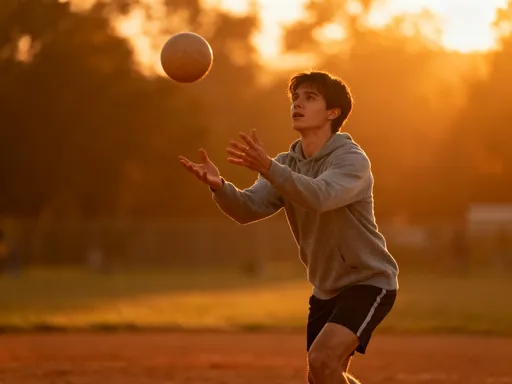
In contrast, ball sports inherently involve integrated movement. Throwing a ball requires core stability, shoulder mobility, and wrist control. Catching demands visual tracking, hand-eye coordination, and postural balance. Even a simple game of catch introduces variability—different speeds, angles, and distances—that challenge the body in ways predictable exercises cannot. This variability mimics the unpredictability of daily life, making the training more functional and transferable. Perhaps most importantly, ball play feels less like therapy and more like activity. This shift in perception can be powerful. When movement is enjoyable, people are more likely to stick with it—turning recovery from a chore into a habit.
The Science Behind the Bounce: How Ball Movement Supports Healing
The benefits of ball sports in recovery are not just anecdotal—they are supported by physiological and neurological principles. One of the most significant advantages is the improvement of hand-eye coordination. This skill, often taken for granted, is essential for countless daily tasks, from pouring a cup of tea to buttoning a shirt. When an injury disrupts this coordination, even simple activities can become frustrating. Ball play directly targets this deficit by requiring the brain to process visual cues and translate them into precise motor responses. Over time, this repeated practice enhances neural efficiency, leading to smoother, more accurate movements.
Joint mobility is another key area of improvement. Many injuries lead to stiffness, particularly in the shoulders, wrists, hips, and ankles. Passive stretching can help, but active movement through a full range of motion is often more effective. Throwing and catching a ball naturally encourage fluid joint motion. For example, a gentle overhand toss engages the shoulder in flexion and rotation, while catching requires wrist extension and finger dexterity. These movements, performed repeatedly in a low-impact way, help maintain or restore joint health without straining healing tissues.
Neuromuscular control—the communication between nerves and muscles—is also strengthened through ball-based activities. When a ball bounces unpredictably or comes in at an unexpected angle, the body must react quickly to adjust posture, shift weight, or reposition limbs. These micro-adjustments train the body’s reflexive stabilizing systems, particularly in the core and lower extremities. This kind of reactive training is difficult to replicate with static exercises but is essential for preventing falls and improving overall stability. Additionally, because most ball sports are low-impact, they place minimal stress on joints, making them suitable for individuals with arthritis, osteoporosis, or joint replacements. The combination of safety, functionality, and engagement makes ball play a uniquely effective tool in the recovery process.
From Frustration to Function: A Step-by-Step Approach
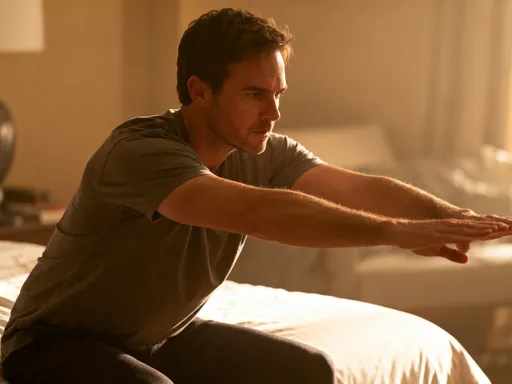
Reintroducing movement after an injury requires patience, structure, and a clear progression plan. Jumping into vigorous play too soon can lead to setbacks, while moving too slowly may delay progress. The key is to follow a gradual, step-by-step approach that respects the body’s limits while steadily building capacity. For most individuals, the journey begins with seated activities. Sitting in a stable chair reduces balance demands and allows focus on upper-body coordination. A simple two-hand catch with a soft ball—such as a foam or rubber ball—can be an excellent starting point. The goal is not speed or distance but consistency and control.
Once seated tossing feels comfortable, the next step is to incorporate standing drills. Standing engages the core, hips, and legs, adding an element of balance and weight shifting. Wall throws are particularly useful at this stage. Standing a few feet from a wall and gently bouncing a ball against it requires coordination, timing, and postural stability. The wall provides immediate feedback—if the throw is too hard or off-angle, the ball won’t return predictably. This encourages self-correction and builds confidence in movement accuracy. Slow dribbling, either in place or while stepping forward, further enhances wrist control and rhythm.
As strength and coordination improve, individuals can begin to explore light games or partner play. These might include a slow game of catch, a gentle round of balloon volleyball, or a modified version of tennis using a low-compression ball. The emphasis should remain on enjoyment and consistency, not competition. It’s important to listen to the body—pain, excessive fatigue, or dizziness are signals to pause and reassess. Progress should be measured not by how fast or far one can throw, but by increased ease in daily activities: reaching into a cabinet, turning to look behind, or stepping off a curb without hesitation. Small, sustainable steps lead to lasting change.
Real Gains: Strength, Stability, and Confidence
The true measure of recovery lies not in clinical metrics but in the ability to live fully and independently. As individuals engage in regular ball-based activities, they often notice subtle but meaningful improvements in daily function. Reaching for a coffee mug becomes smoother. Bending to tie a shoe feels more stable. Walking across a room, especially on uneven surfaces, is done with greater confidence. These gains may seem minor in isolation, but together, they represent a significant shift in quality of life. The body begins to trust itself again, and with that trust comes a renewed sense of freedom.
Mental and emotional benefits are equally important. Many people recovering from physical setbacks experience anxiety about their capabilities. They may avoid stairs, hesitate to carry bags, or decline invitations to social events involving movement. Each successful interaction with a ball—each catch made, each throw landed—chips away at that fear. Confidence grows not from grand achievements but from repeated, positive experiences. Over time, individuals begin to see themselves not as patients, but as active participants in their own healing. This shift in identity can be profoundly empowering.
Real-world scenarios illustrate the impact. Imagine carrying grocery bags up a flight of stairs without needing to stop. Picture playing with a grandchild in the yard, tossing a ball back and forth without worry. Envision walking through a crowded store, navigating aisles with ease, and turning quickly if someone approaches from the side. These are not athletic feats—they are everyday moments that many take for granted. For someone rebuilding mobility, they are victories. Ball sports, by training the body in functional, dynamic ways, help make these moments possible again. And with each success, the cycle of motivation strengthens: movement leads to confidence, which leads to more movement.
Making It Work for Different Needs and Abilities
One of the greatest strengths of ball-based recovery is its adaptability. It is not a one-size-fits-all approach but a flexible framework that can be tailored to individual needs, limitations, and recovery stages. For someone with limited upper-body strength, using a lightweight foam ball reduces strain while still providing sensory and coordination benefits. Those with balance concerns can begin seated or use a chair for support during standing drills. Individuals recovering from hip or knee surgery may focus on upper-body play initially, gradually incorporating gentle stepping or weight shifts as tolerated.
Speed and intensity can also be adjusted. A slow, underhand toss is just as effective as a fast throw for building coordination. Balloons or beach balls can be used to extend reaction time, making the activity accessible to those with slower reflexes. Partner-assisted drills—where a caregiver or family member gently tosses the ball at a controlled pace—allow for personalized pacing and encouragement. The goal is not performance but participation. Modifications do not diminish the value of the exercise; they ensure it remains safe, sustainable, and effective.
For individuals managing chronic conditions such as arthritis, Parkinson’s disease, or multiple sclerosis, ball play can be integrated into a broader care plan. The rhythmic nature of tossing and catching may help improve motor timing in Parkinson’s. For those with arthritis, the low-impact nature of the activity protects joints while maintaining mobility. Even individuals with cognitive challenges can benefit—the predictable rhythm of a back-and-forth game provides structure and sensory engagement. With thoughtful adaptation, ball sports can support a wide range of recovery journeys, proving that movement, in its simplest forms, can be deeply therapeutic.
Why Play Matters in Healing – And How to Keep Going
Motivation is one of the most critical factors in long-term recovery, and enjoyment is a far more powerful driver than discipline alone. When exercise feels like a burden, it’s easy to skip. But when it feels like play, people show up—not because they have to, but because they want to. This is where ball sports shine. They tap into a natural human inclination toward play, rhythm, and interaction. The laughter that comes from a missed catch, the satisfaction of a well-aimed throw, the shared focus of a simple game—these moments make movement feel meaningful and rewarding.
To sustain progress, it helps to build ball play into daily routines in enjoyable ways. Involving family members turns exercise into connection. Joining a casual community group or senior recreation class adds social support. Even solo play—bouncing a ball while watching TV or practicing wall throws during a break—can become a satisfying habit. Tracking small improvements, such as increased throwing distance or better accuracy, provides a sense of forward motion. The key is to focus on consistency, not perfection. Five minutes a day is more valuable than an hour once a week.
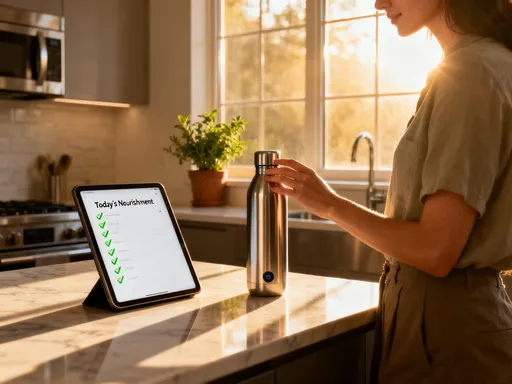
It’s important to remember that ball sports are not a cure-all. They work best when used as part of a comprehensive recovery plan that includes professional medical guidance, proper nutrition, and adequate rest. Physical therapists, occupational therapists, and physicians can help tailor activities to individual needs and monitor progress. But within that framework, ball play offers something unique: a way to heal that doesn’t feel like healing. It’s movement with purpose, wrapped in the simplicity of play. And for many, that makes all the difference.
Ball sports aren’t just for athletes—they’re for anyone trying to regain movement, joy, and control. When recovery feels like play, healing doesn’t have to be a grind. With patience and purpose, something as simple as a ball can become a bridge back to a freer, stronger self. Always consult your healthcare provider, but don’t overlook the quiet power of play.