How I Fixed My Balance Without Even Trying—Simple Daily Shifts That Actually Work
You don’t need fancy workouts or special equipment to improve your balance. I used to wobble just standing on one leg, but over time—without intense effort—I became noticeably steadier. It wasn’t one big change, but a series of small, consistent habits. Turns out, balance isn’t just about your legs; it’s about routine, body awareness, and daily movement patterns. This is how I transformed mine, step by natural step.
The Hidden Problem: Why Poor Balance Sneaks Up on You
Balance is one of those bodily functions we often take for granted—until it starts to falter. Many people don’t notice their balance is deteriorating until they stumble on a curb, feel unsteady getting out of a chair, or nearly lose their footing on a slippery floor. These small moments can be alarming, but they’re not isolated incidents. They’re signs of a deeper issue that has been developing quietly over time. Modern life, with its emphasis on sitting—whether at a desk, in a car, or on a couch—has drastically reduced the variety and frequency of natural movements our bodies evolved to rely on. As a result, the systems responsible for balance grow underused and weakened, often without us realizing it.
Balance is not simply a function of strong legs or sturdy joints. It is a complex coordination between several body systems: the vestibular system in the inner ear, which detects motion and spatial orientation; the visual system, which provides information about the environment; and proprioception, the body’s ability to sense where its parts are in space without looking. When these systems work together seamlessly, we move with stability and confidence. But when one or more are underperforming—due to inactivity, age, or lifestyle factors—our balance suffers. For example, prolonged sitting reduces blood flow to the lower limbs and dulls the sensory feedback from the feet, making it harder for the brain to maintain upright posture.
Another overlooked factor is the decline in barefoot movement. Most people spend their days in cushioned shoes that limit the foot’s natural ability to feel the ground. This sensory deprivation weakens the connection between the feet and the brain, making it harder to adjust to uneven surfaces. Over time, this contributes to a kind of “balance debt”—a gradual loss of stability that accumulates silently. The good news is that this decline is not inevitable. With awareness and small, consistent actions, it’s possible to reverse the trend and restore natural balance, regardless of age or current fitness level.
My Wake-Up Call: A Personal Turning Point
The moment I realized my balance was slipping wasn’t dramatic, but it was deeply unsettling. I was stepping off a low porch step—something I’d done thousands of times—when my foot caught the edge. I didn’t fall, but I wobbled badly, arms flailing as I grabbed the railing. My heart raced, not from injury, but from shock. I stood there, embarrassed and shaken, thinking, This shouldn’t happen. I’m not old. I’m careful. That small incident stayed with me. It wasn’t the first time I’d felt unsteady, but it was the first time I admitted to myself that something was off.
In the days that followed, I began to notice other signs: I hesitated before stepping onto moving escalators, I held the handrail more often on stairs, and I felt less confident walking on uneven sidewalks. What worried me most wasn’t the physical instability itself, but what it symbolized—a slow erosion of independence and confidence. I didn’t want to reach a point where I feared movement, where every step required caution. That fear, I realized, could become a self-fulfilling prophecy. The more I avoided unsteady situations, the weaker my balance would become.
Instead of turning to intense balance training or specialized equipment, I decided to start small. I asked myself: What if I could improve without adding stress to my day? Could I weave balance-building into the routines I was already doing? The answer, I discovered, was yes. It wasn’t about pushing harder or doing more—it was about paying attention. That shift in mindset—from striving to noticing—became the foundation of my progress. I stopped seeing balance as a physical flaw and started seeing it as a skill, one that could be nurtured through daily awareness and gentle practice.
The Power of Routine: Why Consistency Beats Intensity
One of the most liberating realizations in my journey was understanding that big efforts aren’t necessary to see results. In fact, they can sometimes backfire. High-intensity balance workouts, while effective for some, often feel intimidating or unsustainable for people who are just starting to reconnect with their bodies. The real power lies not in occasional bursts of effort, but in the quiet, daily repetition of small actions. This is where the nervous system learns and adapts. Every time you stand on one foot, shift your weight slowly, or walk with intention, you’re sending signals to your brain that help refine coordination and strengthen neural pathways.
Neuroplasticity—the brain’s ability to reorganize itself by forming new neural connections—is at the heart of this process. When balance exercises are repeated regularly, even in tiny doses, the brain begins to automate these movements. What once required concentration becomes second nature. This is why consistency is so much more effective than intensity. A single five-minute balance session once a week does little to retrain the system. But standing on one leg for 30 seconds each morning while brushing your teeth creates a cumulative effect. Over weeks and months, these micro-moments add up, building a foundation of stability that supports every movement you make.
Another advantage of low-effort, high-frequency habits is that they’re less likely to be abandoned. When change feels like a chore, motivation fades. But when it’s woven into existing routines—like waiting for the kettle to boil or standing in line at the store—it requires no extra time or willpower. This makes it easier to stick with, especially for busy adults juggling work, family, and personal responsibilities. The key is to make the practice so simple and integrated that skipping it feels more unnatural than doing it. Over time, these small acts become a form of self-care, a quiet commitment to staying strong and steady.
Morning Anchors: Simple Start-of-Day Habits That Build Stability
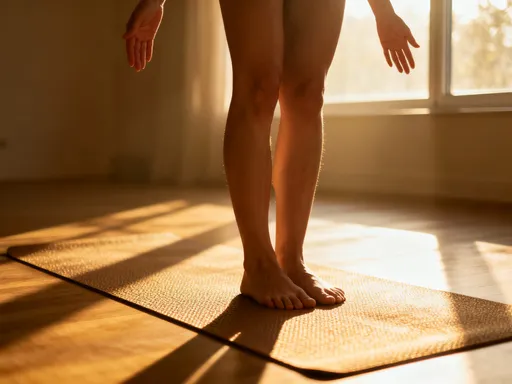
Mornings set the tone for the rest of the day, and I found that starting with a few balance-focused moments made a noticeable difference in how I moved and felt. These practices take less than five minutes and require no special gear—just a bit of space and willingness to pay attention. The first is barefoot standing. Before putting on shoes or slippers, I stand barefoot on a firm surface—tile, wood, or even a yoga mat—for one to two minutes. This simple act reconnects the soles of my feet with the ground, activating thousands of sensory receptors that send feedback to the brain. It’s like rebooting the body’s stability system after a night of stillness.
The second habit is slow weight shifting. With feet hip-width apart, I gently shift my weight from side to side, front to back, and in small circles. I keep my movements controlled and my breathing steady. This wakes up the muscles in my feet, ankles, and core, preparing them for coordinated movement. It also enhances proprioception by giving the body a chance to recalibrate its sense of center. I often do this while waiting for my coffee to brew, turning a passive moment into an active one.
The third morning practice is the heel-to-toe walk—a short, deliberate walk where each foot lands directly in front of the other, like walking on a tightrope. I do this for about ten steps, arms slightly out for balance. This movement challenges coordination and trains the body to maintain alignment during locomotion. It’s especially helpful for improving dynamic balance—the kind needed when walking on uneven ground or navigating crowded spaces. These three habits—barefoot standing, weight shifting, and heel-to-toe walking—serve as daily anchors, grounding me both physically and mentally before the day’s demands begin.
Movement Snacks: Micro-Practices Throughout the Day
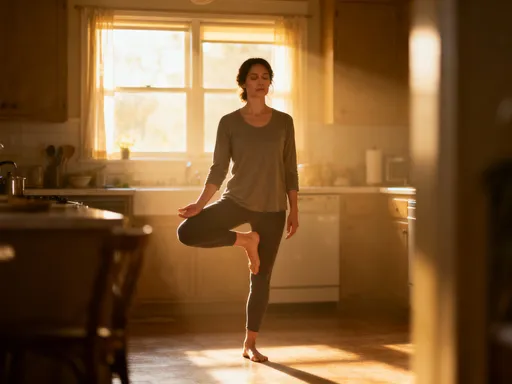
If morning habits set the foundation, movement snacks keep the momentum going. These are brief, intentional balance exercises scattered throughout the day, each lasting no more than a minute. The beauty of movement snacks is that they don’t require extra time—they fit into the pauses and transitions we already have. While waiting for the microwave, during a phone call, or standing at a bus stop, I’ll stand on one leg for 20 to 30 seconds, then switch sides. This strengthens ankle stability and improves single-leg control, both essential for preventing falls.
Another favorite snack is walking backward for a few steps. It may sound unusual, but it’s a powerful way to challenge spatial awareness and coordination. Because we rarely walk backward in daily life, the brain has to work harder to control the movement, which sharpens neural processing. I do this in a safe space—like a hallway or backyard—taking just five to ten slow, controlled steps. It’s a fun way to break routine and engage parts of the body that often go unnoticed.
I also practice mindful stair use. Instead of rushing up or down, I take the stairs one at a time, focusing on how my foot lands and how my weight transfers. I avoid holding the railing unless necessary, which forces my body to rely on its own stability. Over time, this builds confidence and strength in the legs and core. Other movement snacks include standing on a cushioned surface (like a folded towel) while brushing teeth, or doing small tandem stands—placing one foot directly in front of the other and holding the position for 20 seconds. These tiny acts may seem insignificant, but their cumulative effect is profound. They keep the balance system active and responsive, turning ordinary moments into opportunities for improvement.
Lifestyle Tweaks: Environment and Awareness That Support Balance
Improving balance isn’t just about what you do—it’s also about the environment you live in. Small changes to your daily surroundings can make a big difference in how your body functions. One of the most impactful shifts I made was going barefoot at home. Shoes, especially those with thick soles or elevated heels, can dull the sensory input from the feet. By walking barefoot on firm, textured surfaces, I gave my feet more information to work with, which improved my overall stability. If barefoot isn’t practical, wearing minimalist shoes with thin, flexible soles can offer similar benefits.
Floor surfaces also matter. Walking on soft carpet all day reduces the feedback your feet receive, making it harder to maintain balance. I started spending more time on harder surfaces like wood or tile, especially during movement practices. Even something as simple as standing on a textured mat in the kitchen while preparing meals can enhance foot sensitivity. Another important factor is posture during screen use. Looking down at a phone while walking—often called “text neck”—distracts the visual system and disrupts head alignment, which directly affects balance. I made a habit of putting my phone away when moving, keeping my head up and gaze forward.
Lighting and clutter are often overlooked. Poor lighting can make it harder to see changes in floor level, increasing fall risk. I made sure key areas like hallways and stairs were well-lit. I also reduced clutter in walkways to create clear, unobstructed paths. These environmental tweaks didn’t require major renovations—just awareness and small adjustments. Together, they created a home that supports balance rather than undermines it. When your surroundings encourage mindful movement, improvement happens more naturally and effortlessly.
Tracking Progress and Staying Motivated: What to Notice Over Time
Progress in balance improvement is rarely dramatic, but it is deeply felt. Instead of looking for big milestones, I learned to notice subtle shifts—small victories that signaled real change. I began to stumble less, even on uneven sidewalks. I climbed stairs without holding the railing. I could stand on one foot while putting on pants without grabbing the wall. These moments, once challenging, became routine. I also noticed improvements in posture—standing taller, moving with more ease, and feeling more grounded during daily tasks.
Motivation came not from numbers or measurements, but from confidence. I felt safer walking in parking lots, more secure on moving sidewalks, and less anxious about navigating crowded spaces. This growing sense of physical assurance had a ripple effect on my overall well-being. I became more willing to try new activities, to walk farther, to move with purpose. The fear of falling, once a quiet undercurrent in my mind, began to fade.
I also kept a simple journal, noting small observations: “Stood on one leg for 45 seconds today,” or “Walked down the driveway without holding the fence.” These entries weren’t about perfection—they were about awareness and acknowledgment. They reminded me that progress was happening, even when it wasn’t obvious. I avoided comparing myself to others or setting rigid timelines. Balance is deeply personal, shaped by individual history, body, and lifestyle. What mattered most was consistency, patience, and self-compassion. Over time, these qualities became as important as the physical practices themselves.
Improving balance isn’t about dramatic change—it’s about showing up consistently in small ways. These daily acts build a resilient, responsive body. By aligning routine with natural movement, anyone can stand steadier, move with more control, and live with greater physical confidence. It’s not magic—just regularity, repeated with purpose.